

So I recently took a trip. It was down to Chattanooga to see some parks and do some hiking and a couple of nights of solo camping. It was going to be a time of solitude and silence—the kind that refreshes my soul. After an intense month of moving stuff it was intended to be a time to relax and to enjoy the experience.
When you’re going to be outside a good bit of the time weather bears attention. The forecast was mixed. I started the morning’s drive with a mix of showers and sun. But I was good to go.
I drove through the traffic of combined interstates in Knoxville. Then I went down to one interstate—I-75 heading south. Then I got off on a four-lane state highway. Then I got down to two lanes. Then I got down to curvy county roads leading further back into the woods. This was mildly concerning since my fuel light had come on. I was running low on gas by the time I actually turned into the park.

My first stop was Red Clay State Park. Although I had lived just north of here for years, I had never visited. Like so many folks, I didn’t know my own backyard. It is a place of natural beauty and nasty human history.
Red Clay was something of the ‘capitol’ of the Cherokee nation for a time. The Cherokee had been meeting in a site in Georgia, but Georgia then made it a law that the only reason the Cherokee could meet was to cede their land to the state. In essence, you can meet, but only if you plan to give up. Not exactly a great idea. Not exactly a real option.
So they came across the border into this territory of Tennessee. The site has an incredible spring called Blue Spring. There actually is a blue tint to the water. It is large and forceful and could supply clean water for hundreds, if not thousands, of people for daily use. Council lodges were built and numerous times the various clans came together to discuss and discern their options.
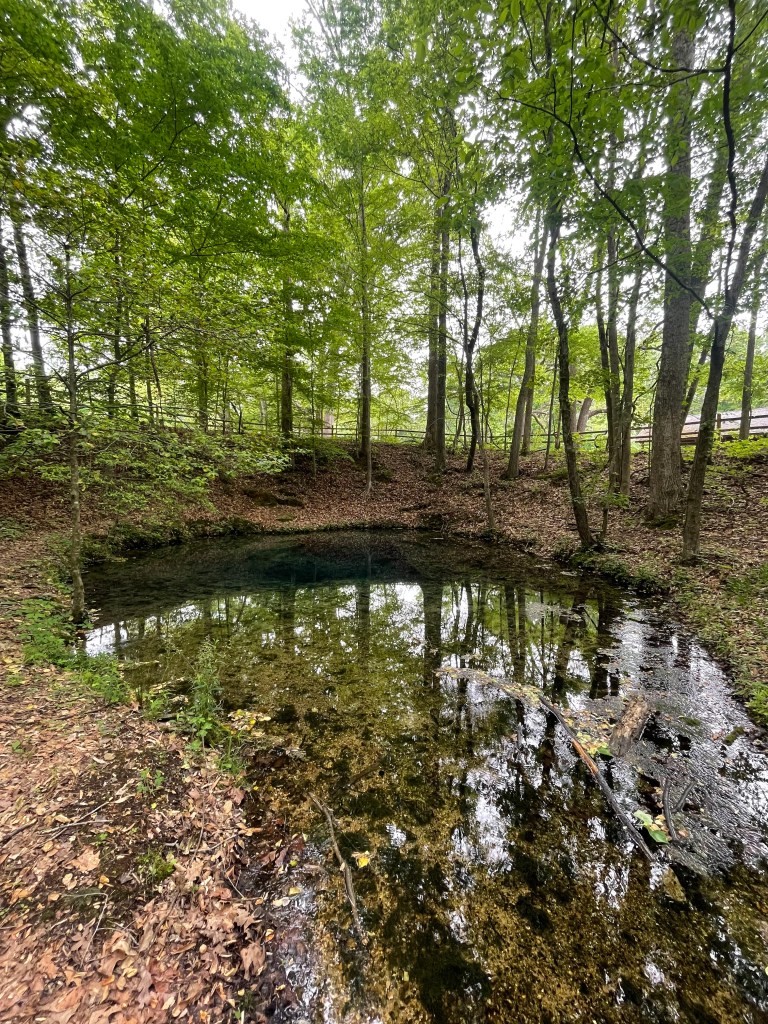
I walked the Council of Trees Trail which is a beautiful wander through the woods. It gave me time to reflect on this place and its history. It gave me time to look at the flowers and trees. It gave me some peace for a few.
But I was also saddened at this place. I was saddened by the way the Cherokee had been treated. These people who had lived here for time immemorial had been ‘deported’ to a strange land. So many had died along the way. All that they had known had been taken from them. This was the last place they had exercised their cultural values. This was the last place they knew something of ‘freedom.’

The next morning I headed down to Chickamauga National Battlefield. Was greeted by a volunteer who asked if it was my first visit to the park. I then told him the story of how my family, which never took vacations (Dad rarely took off from work.), had been at Point Park on the mountain in Chattanooga when I was a boy, maybe 8 years old. So a mere 58 years later, I was going to see the rest of the park I had missed earlier.
I watched a well-done film that serves as an introduction to the park in the visitor’s center. Then I headed out to see the battlefield.
So many monuments! So many markers! Some told the story of the movements of the battle that lasted for several days. Some marked the spots where high-ranking officers had fallen in battle. All of them told the story of the carnage that was the Civil War. Thousands had died here; many more were injured; many were missing. The numbers are grim.
There was a grave of a young private from the area whose family had searched after the battle and found him and gave him a proper burial. Most were buried in mass graves.

I took a hike through the woods and down by Chickamauga Creek. Even in the woods are markers telling whose units had been engaged back in the day. If one took long enough it would be possible to trace the tracks of the whole battle, but I did not have that much time.
The day warmed up. The sun shone down. I sweated in the humidity. I got wet in a short rain shower. It was good to walk in these woods.
I found myself more reflective than refreshed. It was good to see such places, but I felt the heavy hand of history on my spirit. In these beautiful settings we had done our worst to one another.

In the name of ‘manifest destiny’ we had conquered and exiled whole nations of people who had lived for centuries on the lands that we now greedily wanted. We had made promises over and over again, signed treaty after treaty, only to break those bonds and give in to violence. We have to confess that we took this land. We have to confess that we saw the indigenous people as savages when it was we who acted with a fierce brutality.
Later after we had enslaved others to do the labor that would produce crops and money for the ‘owners.’ We fought and killed one another in the name of ‘state’s rights.’ Right to do what? The right to treat other human beings as ‘property.’ The right to oppress a race of people for the sake of our fortunes. The right to be ‘masters’ of our own destiny.
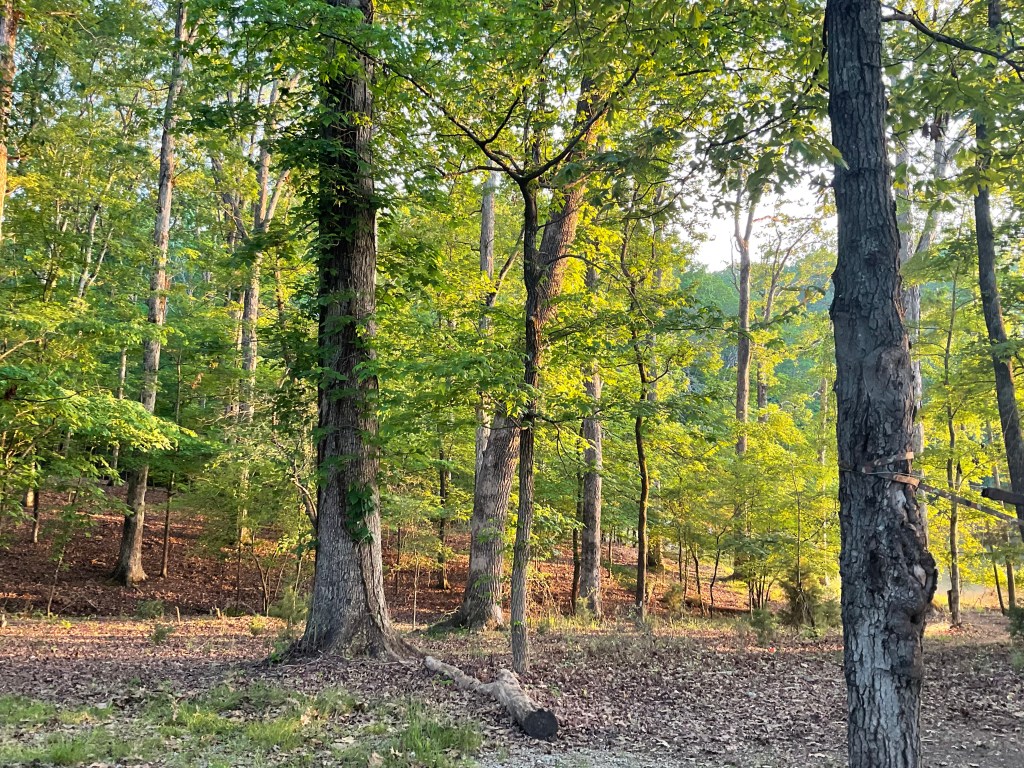
It is good that we make parks of such places—that we preserve the history of these events. It is good to visit such places and be reminded of how we got to where we find ourselves these days. We who wanted ‘a place to belong’ ended up displacing others. We who wanted ‘freedom’ ended up oppressing others to have it.
The memorial markers are there. The battles for peace, freedom, and justice continue.
 Character in the Making